


Citrus Peels For Weight Loss: Recipes, Uses Benefits & Side Effect!

Citrus peels—often discarded as waste—are increasingly recognized for their potential role in supporting weight management. Derived from fruits like lemons, oranges, grapefruits, and mandarins, these peels are rich in bioactive compounds that may aid fat metabolism, reduce appetite, and promote overall metabolic health. While not a standalone solution, incorporating citrus peels into a balanced diet and active lifestyle can complement weight loss efforts.

This article explores the nutritional profile, scientific evidence on benefits, practical ways to use them, and delicious recipes. Note that while promising, results vary, and peels should be from organic sources to minimize pesticide exposure.

Nutritional Profile of Citrus Peels-

Citrus peels contain higher concentrations of key nutrients than the fruit’s flesh or juice:

  • Dietary Fiber — High in soluble fiber like pectin (up to 20-30% dry weight), which promotes satiety and regulates digestion.
  • Flavonoids — Including hesperidin, naringin, nobiletin, and tangeretin, which are antioxidants with anti-inflammatory properties.
  • D-Limonene — A terpene with potential fat-burning and detoxifying effects.
  • Vitamin C — Often 3x more than in the pulp, supporting immunity and metabolism.
  • Other Compounds — Polyphenols, essential oils, and minerals like potassium.

These elements contribute to the peels’ potential anti-obesity effects.

Benefits of Citrus Peels -

Scientific studies, including animal models, in vitro research, and limited human trials, suggest citrus peels support weight loss through multiple mechanisms:

  • Promotes Satiety and Reduces Calorie Intake — Pectin fiber expands in the stomach, creating fullness and potentially lowering overall food consumption.
  • Boosts Fat Metabolism — Flavonoids and PMFs (polymethoxylated flavones) inhibit adipogenesis (fat cell formation) and enhance lipolysis (fat breakdown). Compounds like nobiletin and hesperidin activate pathways like PPARγ and AMPK.
  • Improves Lipid Profiles — Reduces triglycerides, LDL cholesterol, and total cholesterol while increasing HDL, aiding metabolic health.
  • Regulates Blood Sugar — Pectin and flavonoids prevent spikes, reducing insulin resistance linked to obesity.
  • Supports Thermogenesis and Energy Expenditure — Some extracts stimulate β-3 receptors, increasing calorie burn.
  • Anti-Inflammatory Effects — Reduces chronic inflammation associated with obesity.
  • Gut Health Support — Fiber acts as a prebiotic, modulating microbiota for better weight regulation.

Meta-analyses of randomized trials show citrus extracts reduce body weight, BMI, and fat mass, especially in overweight individuals.

How to Use Citrus Peels for Weight Loss?

  1. Choose Organic — Non-organic peels may contain pesticides.
  2. Prepare Safely — Wash thoroughly; remove excess pith if bitter.
  3. Daily Intake — Start small (1-2 tsp dried peel) to avoid digestive issues.
  4. Forms — Dried peels (powder/tea), zest in meals, or extracts/supplement.
  5. Frequency — Consume 1-2 servings daily, e.g., morning tea or added to meals.

Delicious Recipes Using Citrus Peels:

  1. Citrus Peel Tea (Basic Weight Loss Booster)

  • Ingredients — Peels from 2-3 organic oranges or lemons (dried or fresh), 2 cups water, optional honey.
  • Method — Boil peels in water for 10-15 minutes. Strain and sip hot. Drink 1-2 cups daily.
  • Benefits — High in pectin and flavonoids for satiety.
  1. Lemon Peel Detox Water

  • Ingredients — Peels from 2 lemons, 1 liter water, fresh mint.
  • Method — Slice peels thinly, infuse overnight in water. Drink throughout the day.
  • Benefits — Hydrating with vitamin C and d-limonene.
  1. Orange Peel Smoothie

  • Ingredients — Peels from 1 orange (zested), 1 banana, 1 cup yogurt, handful spinach, water.
  • Method — Blend until smooth. Add cinnamon for flavor.
  • Benefits — Fiber-rich for fullness.
  1. Grapefruit Peel Salad Dressing
  • Ingredients — Zest from 1 grapefruit, 2 tbsp olive oil, 1 tbsp vinegar, salt.
  • Method — Mix and drizzle on salads.
  • Benefits — Low-calorie flavor enhancer.
  1. Citrus Peel Powder Sprinkle

  • Ingredients — Dried peels (ground), use on oatmeal or yogurt.
  • Method — Grind dried peels into powder; store airtight.
  • Benefits — Easy daily addition for fiber.

Precautions and Side Effects:

Citrus peels are generally safe, with no serious adverse effects in studies. However:

  • Digestive Issues — High fiber may cause bloating or cramps initially.
  • Pesticides — Use organic to avoid residues.
  • Allergies — Avoid if citrus-allergic.
  • Interactions — Grapefruit peels may interact with medications (e.g., statins).
  • Moderation — Excessive intake can lead to bitterness or acidity.

Consult a healthcare provider before major changes, especially with health conditions.

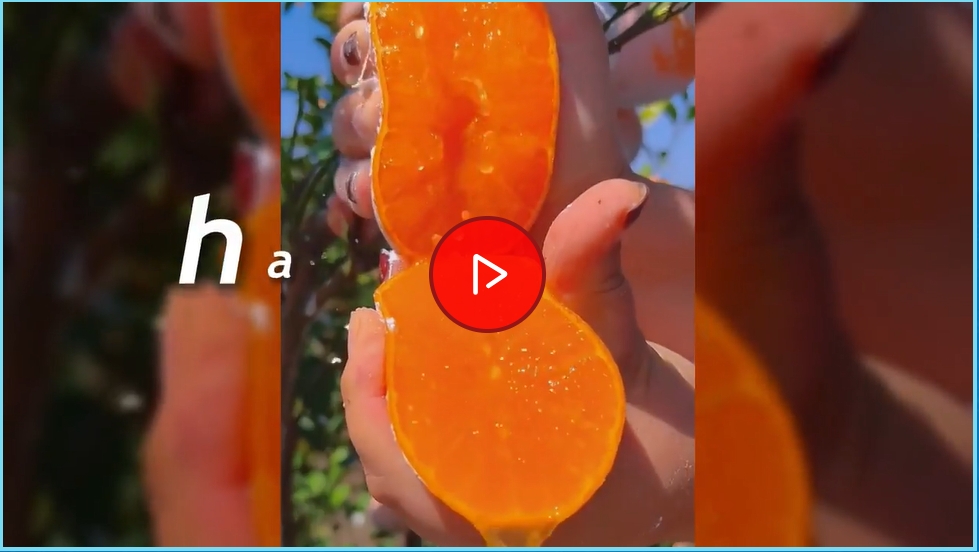
Watch: How She Burn 15 LBS In Just 2 Weeks Using Citrus Peel!

Citrus peels offer a sustainable, nutrient-dense way to support weight loss through fiber, antioxidants, and metabolic compounds. While more large-scale human studies are needed, current evidence from clinical trials and animal research is encouraging. Incorporate them via teas, recipes, or zest to enhance satiety and fat metabolism—always as part of a holistic approach with diet and exercise.