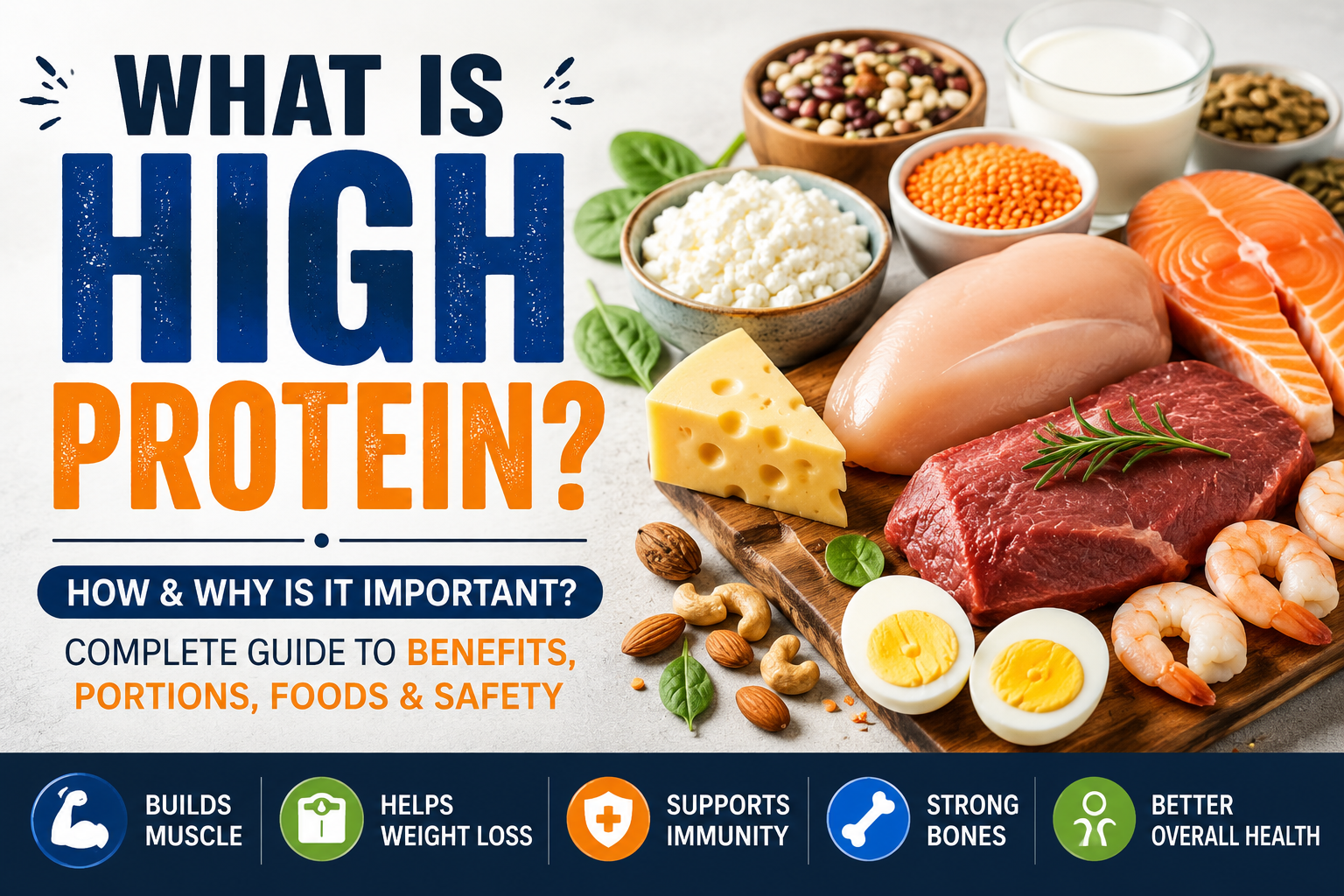
High Protein Food has become one of the most talked-about nutrients full food in modern nutrition industry. From high-protein breakfasts and meal-prep plans to fitness diets and weight-loss programs, protein is often promoted as an essential part of a healthy lifestyle. But what exactly is protein? How much protein do you really need? Can you eat too much? And why is protein so important for people of all ages?
Understanding protein is crucial because it plays a vital role in nearly every function of the human body. Whether your goal is weight management, muscle growth, healthy aging, improved athletic performance, or simply maintaining overall health, getting the right amount of protein can make a significant difference.
This comprehensive guide explains everything you need to know about high-protein diets, including benefits, recommended portions, protein-rich foods, common myths, and important safety considerations.
What Is Protein?
Protein is one of the three essential macronutrients, alongside carbohydrates and fats. It is made up of smaller units called amino acids, often referred to as the building blocks of life.
The human body uses amino acids to:
- Build and repair tissues
- Create enzymes and hormones
- Support immune function
- Maintain healthy skin, hair, and nails
- Produce energy when necessary
- Build and preserve muscle mass
There are 20 amino acids in total. Nine of these are called essential amino acids because the body cannot produce them on its own. They must come from food sources.
Foods containing all nine essential amino acids are known as complete proteins.
Examples include:
- Eggs
- Fish
- Chicken
- Turkey
- Lean beef
- Dairy products
- Soy products
- Quinoa
>>> Access High Protein eBook Now!
What Does “High Protein” Mean?
A high-protein diet generally means consuming more protein than the minimum daily requirement.
The standard Recommended Dietary Allowance (RDA) for adults is:
0.8 grams of protein per kilogram of body weight per day
For example:
- 60 kg person = 48 grams protein daily
- 70 kg person = 56 grams protein daily
- 80 kg person = 64 grams protein daily
However, many health experts suggest higher amounts for optimal health, muscle maintenance, and weight management.
A diet is often considered high protein when protein contributes approximately:
- 20–35% of daily calories
- 1.2–2.2 grams per kilogram of body weight
Why Is Protein Important?
Protein performs countless functions throughout the body.
1. Supports Muscle Growth and Maintenance
Muscles are primarily made of protein.
When you exercise, especially during strength training, muscle fibers experience tiny tears. Protein helps repair and rebuild these fibers, making them stronger and larger over time.
Without adequate protein intake:
- Muscle recovery slows
- Muscle growth decreases
- Risk of muscle loss increases
This is especially important for athletes and older adults.
2. Helps With Weight Loss
Protein is known for its ability to increase satiety.
Compared to carbohydrates and fats, protein helps people feel fuller for longer periods.
Benefits include:
- Reduced hunger
- Fewer cravings
- Better appetite control
- Lower calorie consumption
Studies consistently show that higher protein intake can support sustainable weight loss.
3. Preserves Lean Muscle During Weight Loss
Many people lose both fat and muscle when dieting.
A protein-rich diet helps preserve lean muscle tissue while promoting fat loss.
Maintaining muscle mass is important because muscle burns more calories than fat, helping support metabolism.
4. Supports Healthy Aging
As people age, they naturally lose muscle mass in a process called sarcopenia.
Higher protein intake may help:
- Preserve strength
- Maintain mobility
- Reduce falls
- Improve quality of life
For older adults, protein becomes even more important than it is during younger years.
5. Strengthens the Immune System
Antibodies, enzymes, and immune cells rely heavily on protein.
Inadequate protein intake may weaken immune responses and increase susceptibility to illness.
6. Supports Healthy Skin, Hair, and Nails
Protein forms the structural foundation of:
- Hair (keratin)
- Skin (collagen)
- Nails
Insufficient protein intake can negatively affect appearance and tissue health.
7. Helps Stabilize Blood Sugar
Protein slows digestion and helps regulate blood sugar responses after meals.
This can be beneficial for:
- Energy management
- Appetite control
- Overall metabolic health
>>> Access High Protein eBook Now!
How Much Protein Do You Need?
Protein requirements vary depending on:
- Age
- Gender
- Activity level
- Health status
- Fitness goals
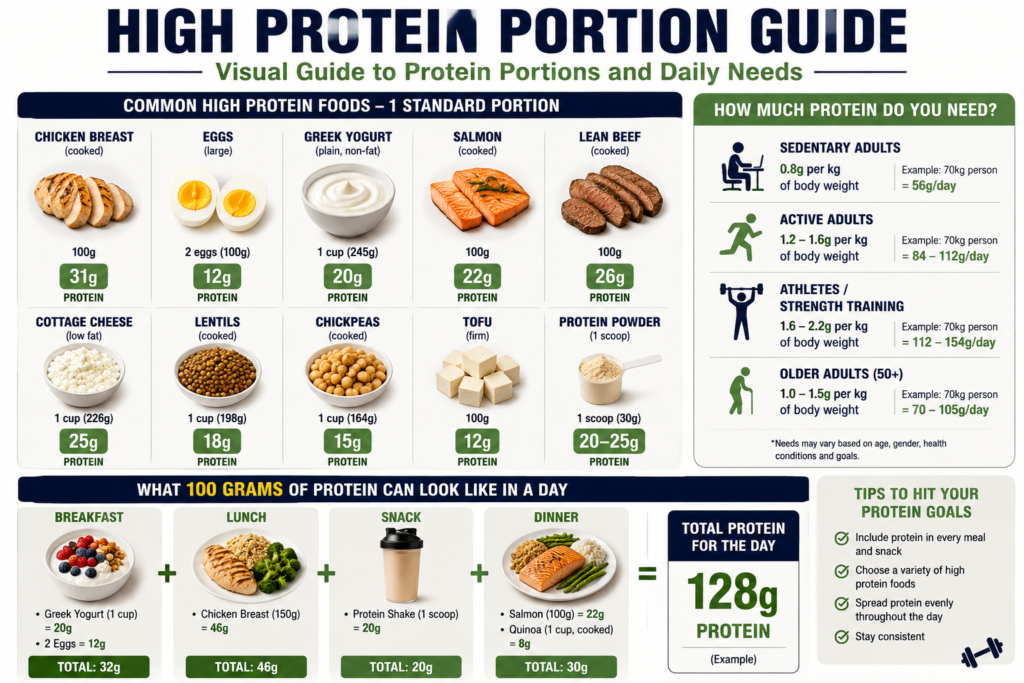
Sedentary Adults
0.8 grams per kilogram body weight
Example:
70 kg × 0.8 = 56 grams daily
Active Adults
1.2–1.6 grams per kilogram
Example:
70 kg × 1.4 = 98 grams daily
Athletes
1.6–2.2 grams per kilogram
Example:
70 kg × 2.0 = 140 grams daily
Older Adults
1.0–1.5 grams per kilogram
Higher intake helps maintain muscle and physical function.
What Does 100 Grams of Protein Look Like?
Many people underestimate or overestimate protein intake.
Here is an example of approximately 100 grams of protein:
Breakfast:
- 3 eggs = 18g
- Greek yogurt = 15g
Lunch:
- Chicken breast (150g) = 45g
Snack:
- Protein shake = 20g
Dinner:
- Vegetables and quinoa = 10g
Total = approximately 108g protein
Best Sources of Protein:
Animal Protein Sources
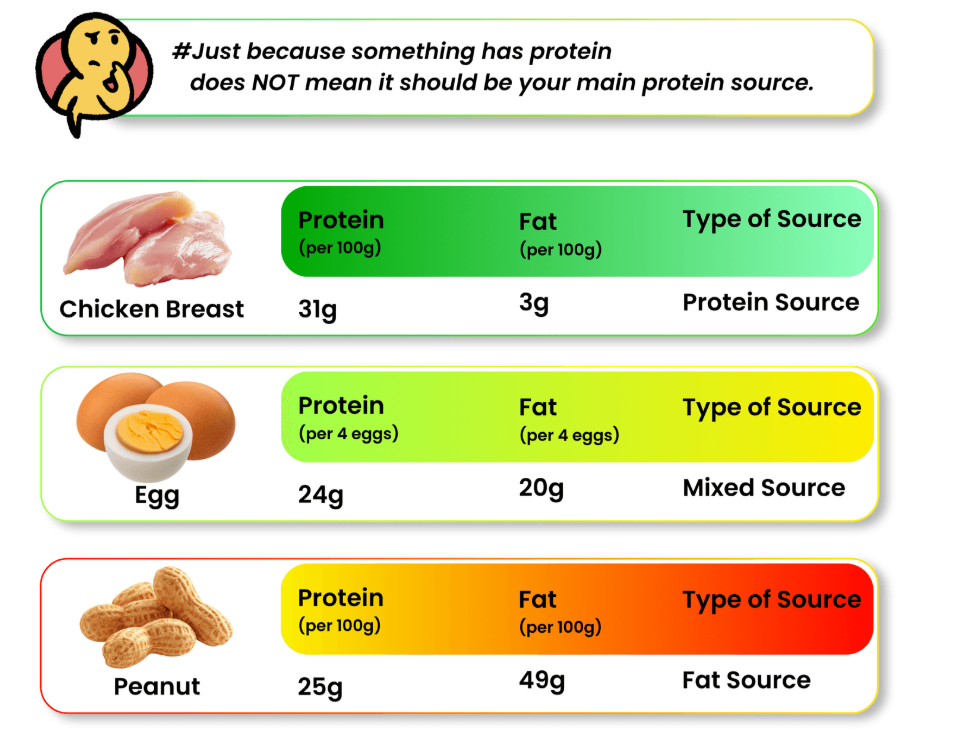
Chicken Breast
Protein:
31g per 100g
Benefits:
- Lean
- Low fat
- Highly bioavailable
Eggs
Protein:
6–7g per egg
Benefits:
- Complete protein
- Affordable
- Nutrient-dense
Fish
Protein:
20–30g per serving
Examples:
- Salmon
- Tuna
- Cod
Greek Yogurt
Protein:
15–20g per serving
Benefits:
- High protein
- Contains probiotics
>>> Access High Protein eBook Now!
Plant Protein Sources:
Lentils
Protein:
18g per cooked cup
Chickpeas
Protein:
15g per cooked cup
Tofu
Protein:
10–20g per serving
Edamame
Protein:
18g per cup
Quinoa
Protein:
8g per cooked cup
High-Protein Foods Ranked
| Food | Protein |
|---|---|
| Chicken Breast (100g) | 31g |
| Tuna (100g) | 29g |
| Lean Beef (100g) | 26g |
| Salmon (100g) | 25g |
| Greek Yogurt (1 cup) | 20g |
| Cottage Cheese (1 cup) | 25g |
| Eggs (3 large) | 18g |
| Lentils (1 cup) | 18g |
| Tofu (100g) | 15g |
| Quinoa (1 cup) | 8g |
When Should You Eat Protein?
Timing matters less than total daily intake, but spreading protein throughout the day may provide benefits.
A practical approach:
Breakfast:
20–30g
Lunch:
25–35g
Snack:
10–20g
Dinner:
25–35g
This helps maximize muscle protein synthesis.
Is More Protein Always Better?
Not necessarily.
While adequate protein is important, excessive intake does not guarantee additional benefits.
Potential drawbacks include:
- Increased calorie intake
- Digestive discomfort
- Reduced intake of other nutrients if diet becomes unbalanced
Moderation remains important.
Can Too Much Protein Harm the Kidneys?
For healthy individuals, current research suggests high-protein diets are generally safe.
However, people with:
- Chronic kidney disease
- Certain kidney disorders
should follow medical advice regarding protein intake.
Healthy kidneys typically adapt well to higher protein consumption.
>>> Access High Protein eBook Now!
Common Signs You May Need More Protein
You may not be consuming enough protein if you experience:
- Frequent hunger
- Slow recovery after exercise
- Muscle loss
- Weakness
- Brittle nails
- Hair thinning
- Reduced strength
These symptoms can have multiple causes, but inadequate protein intake may contribute.
Protein Myths Debunked
Myth 1: Only Bodybuilders Need Protein
False.
Every cell in the body requires protein.
Myth 2: Plant Proteins Are Useless
False.
Plant proteins can fully support health when consumed in a varied diet.
Myth 3: High Protein Automatically Builds Muscle
False.
Resistance training and adequate calories are also necessary.
Myth 4: Protein Supplements Are Required
False.
Most people can meet protein needs through food alone.
Practical Tips for Increasing Protein Intake
- Add eggs to breakfast
- Choose Greek yogurt instead of regular yogurt
- Include lean meats at meals
- Add beans and lentils to soups
- Use cottage cheese as a snack
- Include protein in every meal
- Prepare high-protein meal-prep lunches
- Consider a protein shake when necessary
Who Benefits Most From a High-Protein Diet?
High-protein diets may be especially beneficial for:
- Athletes
- Older adults
- People trying to lose weight
- Individuals recovering from injury
- Active professionals
- Fitness enthusiasts
- People aiming to maintain muscle mass
Final Thoughts
Protein is one of the most important nutrients for overall health, yet many people do not fully understand its role in the body. It supports muscle growth, weight management, immune health, healthy aging, tissue repair, and countless biological processes.
For most healthy adults, consuming a balanced amount of protein throughout the day can improve satiety, support fitness goals, and help maintain long-term health. While protein needs vary based on age, activity level, and individual goals, focusing on high-quality protein sources from both animal and plant foods is an excellent strategy for building a nutritious diet.
Before dramatically increasing protein intake, consider your overall calorie needs, health status, and dietary preferences. A balanced approach that includes protein, healthy fats, fiber-rich carbohydrates, vitamins, and minerals remains the foundation of optimal nutrition.
By understanding what protein is, why it matters, and how much you actually need, you can make informed decisions that support your health for years to come.
>>> Also Read Anabolic Cooking Recipes: 200+ High-Protein Meals for Lean Muscle & Fat Loss!

Nilesh Vijay is the founder and lead health writer at Health Tips USA. He is passionate about helping people understand health, nutrition, weight management, fitness, and healthy living through easy-to-read, research-based articles.
With over four years of experience in health content writing, Nilesh has written extensively about healthy eating, weight management, nutrition, vitamins, fitness, and overall wellness. His goal is to turn complex health information into simple, practical advice that readers can easily understand and apply in their daily lives.
Nilesh has also authored several health and nutrition eBooks published on Amazon and other leading digital platforms. His work covers a wide range of topics, including healthy recipes, balanced diets, meal planning, and lifestyle habits that support long-term well-being.
Areas of Expertise
Weight management and healthy living
Nutrition and balanced diet planning
Vitamins, minerals, and healthy eating
Fitness and active lifestyle tips
Wellness, healthy aging, and preventive health
Research-based health education
What Nilesh Believes
Nilesh believes that health information should be accurate, easy to understand, and based on reliable research. His mission is to provide practical, trustworthy content that helps readers make informed decisions about their health and lifestyle.
📧 You can reach Nilesh through the Contact Us page on Health Tips USA.