
Brain health is one of the most important yet often overlooked aspects of overall well-being. The brain controls everything we do—our memory, learning ability, emotions, decision-making, creativity, and even how we interact with others. As we age, it is natural for certain cognitive functions such as recall speed, focus, and mental clarity to change. However, declining brain performance is not an inevitable or sudden process, nor is it caused by a single factor.
One of the most studied elements in brain health research is brain plasticity, the brain’s ability to adapt, reorganize, and form new connections throughout life. This adaptability allows people to learn new information, recover from certain injuries, and maintain cognitive function despite aging. Proteins such as Brain-Derived Neurotrophic Factor (BDNF) play a role in supporting neuron survival and learning processes, but they operate within a complex biological system and cannot be “switched on” instantly or independently of broader lifestyle factors.
In recent years, growing public interest in memory improvement and cognitive longevity has led to a surge of products, programs, and techniques claiming to “boost brain power” quickly and effortlessly. While some approaches are grounded in credible science, others rely heavily on marketing language, exaggerated promises, or oversimplified interpretations of research. This makes it essential for consumers to approach brain-health solutions with critical thinking, realistic expectations, and an understanding of what neuroscience actually supports.
In this context, products like The Brain Song Review position themselves as easy, fast solutions for improving memory and mental clarity. To evaluate such claims fairly, it is important first to understand what genuine brain health involves—and what it does not—before assessing whether a product aligns with established scientific knowledge or relies primarily on persuasive storytelling.
What is The Brain Song?
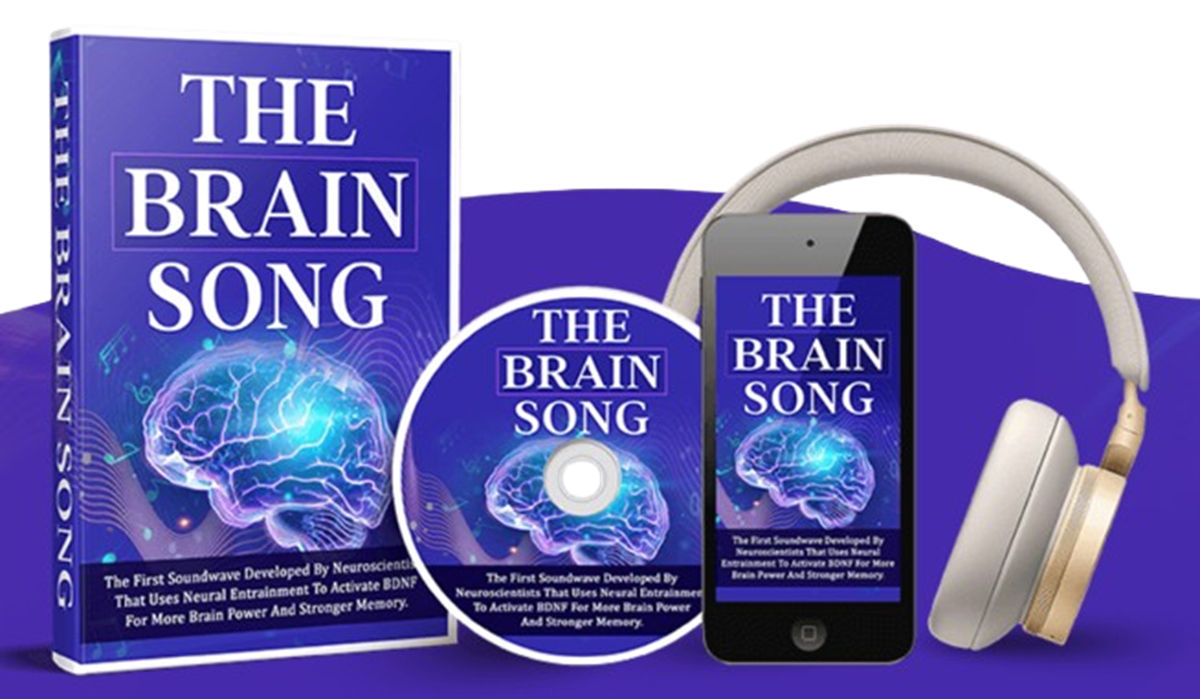
The Brain Song is a digital audio program marketed as a cognitive enhancement tool designed to “activate your brain’s memory protein” and improve mental clarity, memory, and focus. According to the promotional material you shared, it is presented as an audio track you listen to once daily for about 17 minutes. The creators claim that the sound frequencies embedded in the track are scientifically calibrated to stimulate the brain — especially a protein called Brain-Derived Neurotrophic Factor (BDNF) — to boost memory, learning, and overall cognitive function.
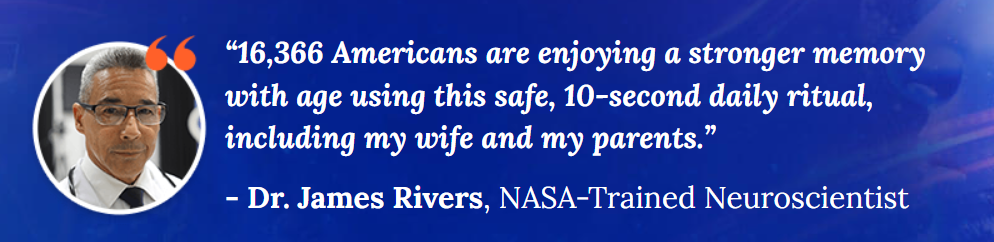
The Brain Song is positioned as:
- An at-home cognitive booster that requires only passive listening.
- A solution that avoids pills, strenuous exercise, meditation, or lifestyle changes.
- A product supposedly “studied by Harvard, NASA, and researchers in China.”
- A digital download you can use on your phone, computer, or during everyday activities like walking or relaxing.
How Does 10-Second Brain Trick Support Stronger Memory?
- Delivers a pre-recorded digital audio track:
The Brain Song functions as a downloadable audio file that users listen to once per day, typically for about 17 minutes, using headphones or speakers. - Uses sound frequency patterns:
The program claims that specific sound frequencies are embedded in the audio to interact with the brain’s natural electrical activity. - Applies the concept of neural entrainment:
Neural entrainment refers to the brain’s tendency to synchronize with external rhythmic stimuli, such as sound. The Brain Song is marketed as leveraging this effect to influence mental states. - Targets relaxed and focused brainwave states:
The audio is designed to encourage brainwave patterns commonly associated with calmness, attention, and mental clarity, which may help users feel more focused during and after listening. - Claims to stimulate BDNF activity:
The creators assert that exposure to these frequencies supports Brain-Derived Neurotrophic Factor (BDNF), a protein linked to learning, memory, and neuron health. - Encourages passive participation:
No conscious effort, exercises, or mental tasks are required. Users simply listen, making the process accessible to individuals who prefer low-effort routines. - Supports stress reduction:
Calm audio environments may help lower stress levels, and reduced stress can positively influence cognitive performance indirectly. - Relies on repeated daily exposure:
The product emphasizes daily use, suggesting that continued listening strengthens the effect over time through consistent stimulation. - Can be used during everyday activities:
The Brain Song is marketed as flexible enough to be listened to while walking, resting, or doing light activities, helping integrate it into daily life. - Produces subjective rather than clinically measured outcomes:
Reported effects such as improved focus or clarity are based on user experiences rather than standardized medical testing.

Benefits of Using The Brain Song:
Below is a detailed, plagiarism-free list of the benefits The Brain Song claims users may experience, written clearly and informatively.
- Enhanced Mental Clarity
Users are encouraged to feel more “clear-headed” throughout the day.
The idea is that focused listening may reduce mental clutter, promoting sharper thought processes.
- Improved Memory Recall
The product asserts that repeated use “activates” mechanisms linked to remembering names, facts, and daily details — leading to stronger recall.
- Increased Focus and Concentration
Listening to structured frequencies is claimed to help sustain attention for longer periods and reduce distractibility.
- Faster Learning
According to the promotional claims, users report being able to understand and absorb new information more quickly after listening consistently.
- Reduced Brain Fog
Many testimonials suggest that regular use can help reduce feelings of sluggish thinking or mental fatigue.
- Stress Reduction
Calming audio environments can aid in relaxation. Lower stress levels are often associated with clearer thinking and a greater sense of calm.
- Perceived Mood Improvement
Some users report feeling more optimistic or emotionally balanced, possibly due to relaxation effects or a sense of empowerment and well-being.
- Sense of Confidence
Improved mental performance — even subjective — can boost confidence in social, professional, and personal interactions.
- Enhanced Creativity
The Brain Song marketing materials cite anecdotal claims that certain frequencies may increase creative thinking; this reflects user impressions rather than verified scientific outcomes.
- A Simple, Accessible Routine
The program requires only about 17 minutes per day with no special effort or physical exercise, making it easy for many people to try.
- Convenient At-Home Use
Because it’s a downloadable audio track, listeners can use it anywhere — at home, walking, resting, or during other daily activities.
- Non-Invasive and Non-Drug Based
As an audio program, it does not involve medications, pills, or supplements, which may appeal to people seeking a natural, low-risk approach.
- Positive User Testimonials
Many buyers report subjective improvements, such as feeling “sharper” or more mentally engaged — and these stories are used to highlight potential benefits.
- Routines Can Encourage Other Positive Habits
Some users may pair listening with walks, meditation, or relaxation, indirectly supporting broader cognitive health practices.
- Perceived Support for Aging Minds
The marketing frames the product as helpful for individuals concerned about age-related cognitive changes, encouraging proactive engagement.
Pros and Cons of The Brain Song:
✅ Pros
- Easy to use — requires no physical effort or complex routines.
- Short daily commitment (about 17 minutes only).
- Non-drug and non-supplement-based approach.
- Can be listened to while doing other low-effort activities.
- May help promote relaxation and temporary mental calm.
- Accessible from a digital download with no shipping wait.
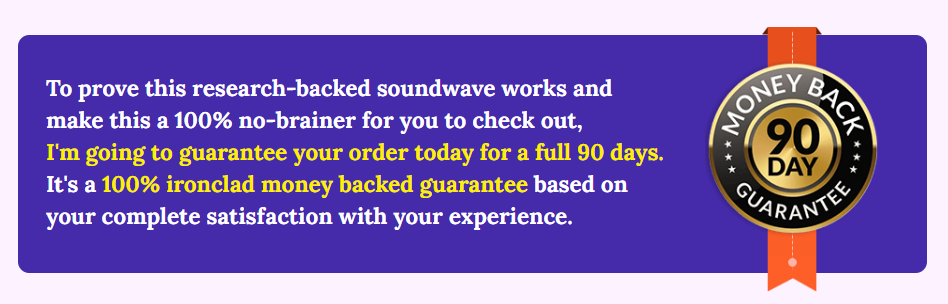
- Comes with a money-back guarantee for risk-free trial.
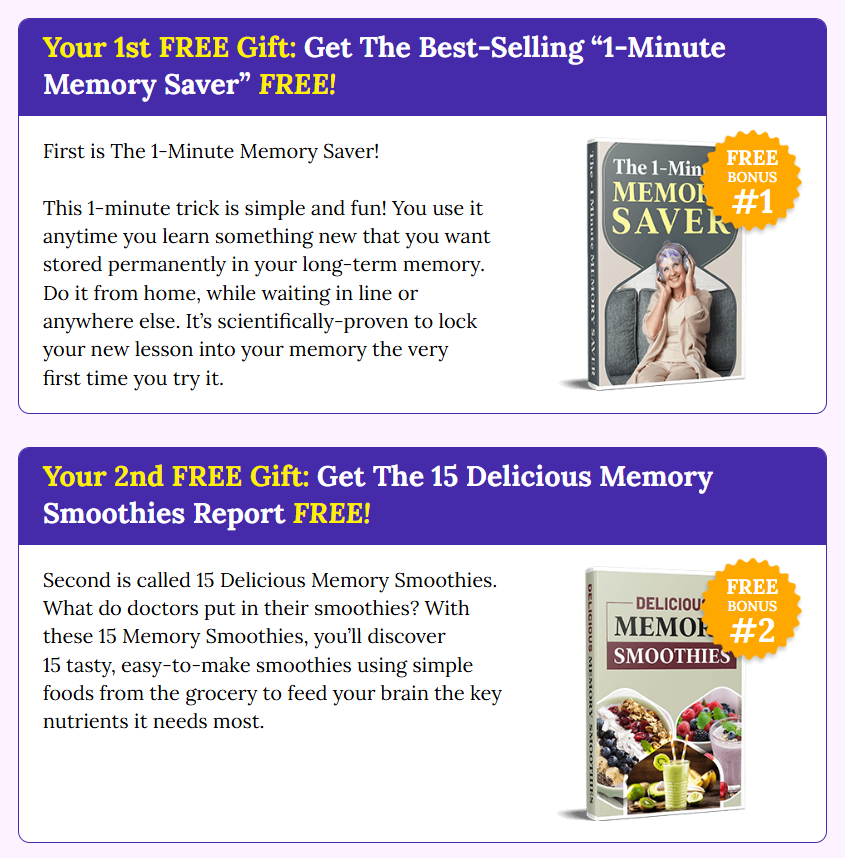
- Includes bonus materials that reinforce positive brain habits.
- Simple daily habit may encourage consistency.
- Anecdotally positive user experiences reported.
❌ Cons
- Results may vary from person to person.
- The Brain Song requires daily listening for best results.
- Since it is a digital audio product, it works best for users who are comfortable using smartphones, computers, or audio devices.
How to Use The Brain Song for Effective Use?
- Download the audio track on a reliable device:
Save The Brain Song on your phone, tablet, or computer so it is easily accessible without interruptions. - Use headphones if possible:
Wearing headphones can help ensure consistent sound delivery and reduce external distractions while listening. - Choose a quiet, relaxed environment:
Listen in a calm setting where you can relax mentally, such as at home, during a walk, or while resting. - Listen for the full recommended duration:
Play the audio track for the complete session (approximately 17 minutes) without skipping or multitasking heavily. - Maintain a consistent daily routine:
For best perceived results, listen once per day at a similar time to build consistency. - Stay relaxed and passive:
There is no need to focus intensely, meditate deeply, or perform exercises—simply listen and allow the audio to play. - Avoid distractions during listening:
While light activities like walking are acceptable, avoid loud environments or activities that demand high concentration. - Do not expect instant or dramatic changes:
Allow time for gradual, subjective improvements rather than expecting immediate or guaranteed results. - Combine with healthy brain habits:
Pair listening with adequate sleep, physical activity, hydration, and mental engagement for better overall cognitive support. - Evaluate your experience realistically:
Pay attention to how you feel over several weeks and decide whether the product provides personal value.
Who Can Use The Brain Song?
- Adults looking for a simple way to support mental focus
- Individuals interested in relaxation or stress reduction
- People seeking non-drug options for cognitive support
- Those open to trying audio-based brain enhancement tools
- Users who can commit to a daily 17-minute listening routine
- Anyone comfortable with digital audio downloads
- People wanting a low-effort brain wellness habit
- Listeners without severe hearing impairments
- Individuals without medically diagnosed cognitive disorders
- Anyone curious about alternative approaches to mental clarity
Should You Buy The Brain Song?
If you’re looking for a simple, non-drug way to support focus and mental clarity, The Brain Song may be worth trying — especially if you enjoy calming audio and want something easy that takes only 17 minutes a day.
It’s best suited for people who:
Want a low-effort daily brain wellness habit
Prefer audio-based relaxation tools
Understand results are subjective, not clinically guaranteed
Appreciate a money-back guarantee for risk-free testing
However, if you’re expecting a medical cure for memory loss, dementia, or dramatic brain transformation, this product is not a replacement for professional treatment.
Final Verdict:
If you’re curious and there’s a refund policy available, it can be a low-risk experiment for mental clarity and relaxation — just keep expectations realistic.
Price & Money Back Guarantee -
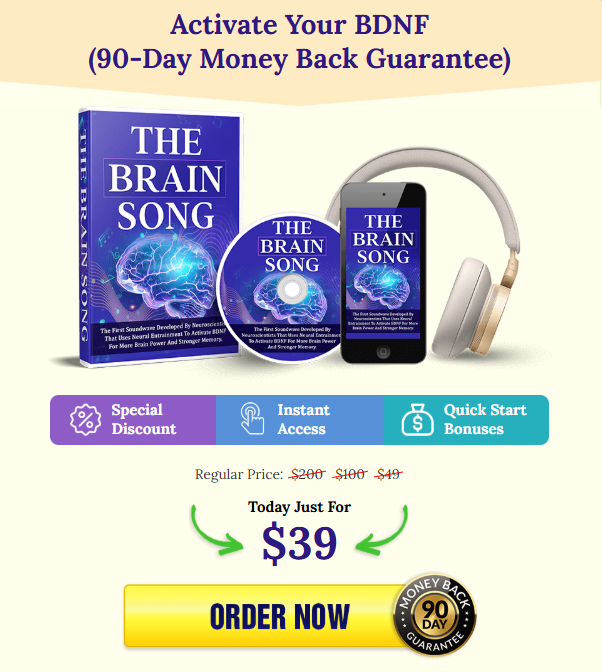
Bonuses with The Brain Song:
Just Added! Get $197.00 In Free Gifts And Bonuses When You Order Today…


Frequently Asked Questions
Q1. Do I need special headphones or equipment to use The Brain Song?
No special equipment is required. Standard headphones or regular speakers are sufficient to listen to the audio track.
Q2. Can I listen to The Brain Song more than once a day?
The product is designed for once-daily use. Listening more often is not shown to provide additional benefits.
Q3. Is The Brain Song suitable for older adults?
It is marketed toward adults, including older individuals, but it is not a medical treatment for age-related cognitive conditions.
Q4. Can teenagers or children use The Brain Song?
The product is intended for adults, and there is no specific guidance or research provided for use by children or teenagers.
Q5. Does The Brain Song replace medical treatment or therapy?
No. It is not a substitute for professional medical advice, diagnosis, or treatment for cognitive or neurological conditions.
Q6. Will The Brain Song cure memory loss or dementia?
There is no evidence that it can cure, treat, or prevent dementia, Alzheimer’s disease, or serious memory disorders.
Q7. Does The Brain Song require an internet connection?
Once downloaded, the audio track can be played offline without an internet connection.
Q8. Can I use The Brain Song while sleeping?
It is designed for conscious listening, not as a sleep aid, and benefits during sleep are not claimed or supported.
Q9. How long should I try The Brain Song before deciding if it’s useful?
Most users are encouraged to try it consistently for several weeks to evaluate personal experience.
Q10. Is there scientific proof published in medical journals?
No peer-reviewed clinical trials specific to The Brain Song have been publicly published.
Q11. Will results vary from person to person?
Yes. Any perceived benefits depend on individual expectations, lifestyle, stress levels, and overall health.
Q12. Can I share the audio with others?
The audio is typically licensed for personal use only and may not be legally shared.
Q13. Does listening guarantee long-term cognitive improvement?
No guarantees can be made. Any effects are subjective and not clinically measured.
Q14. Can I combine The Brain Song with learning or study sessions?
Some users choose to listen before studying to feel more relaxed, though this is based on personal preference.