Top 10 Weight Loss Diet Plans in The United States For 2026

Losing weight is one of the most common health goals in the United States. With rising obesity rates and increasing awareness about metabolic health, millions of Americans are searching for safe, effective, and sustainable diet plans that actually work. However, with so many options available—low-carb, plant-based, fasting, high-protein—it can be overwhelming to decide which one is right for you.

The truth is simple: there is no single “best” diet for everyone. The most successful weight loss plan is one that fits your lifestyle, preferences, medical history, and long-term goals.

In this detailed guide, we will explore the Top 10 Weight Loss Diet Plans Used in the United States, explaining how each one works, its benefits, potential drawbacks, and who it is best suited for.

1)Mediterranean Diet

Mediterranean Diet

The Mediterranean Diet is consistently ranked as one of the healthiest diets in America. Inspired by traditional eating patterns in countries like Greece and Italy, this diet emphasizes whole, minimally processed foods.

How It Works-

Rather than focusing strictly on calorie counting, the Mediterranean diet promotes:

  • Vegetables and fruits (daily)

  • Whole grains

  • Legumes and beans

  • Nuts and seeds

  • Olive oil as the primary fat source

  • Fish and seafood (2–3 times per week)

  • Moderate poultry and dairy

  • Limited red meat and sugar

Weight loss occurs naturally because this diet is high in fiber and healthy fats, which increase fullness and reduce cravings.

Benefits –

  • Supports heart health

  • Reduces inflammation

  • Stabilizes blood sugar

  • Promotes gradual, sustainable fat loss

Who It’s Best For –

People looking for a balanced, long-term lifestyle change rather than rapid weight loss.

>>>Customize Your Mediterranean Diet Today!

2) Ketogenic (Keto) Diet

 
https://images.openai.com/static-rsc-3/fSvbjH5OMiP78oDsuA4Saoj98o2qbAGRvFoBzHOqOq-EDWXAcrOPB_dDt9d_t3mBMVu2hP1z1TJl3uPOlyBbNU09AphUuGKuupM02l1TBlc?purpose=fullsize&v=1

The Ketogenic Diet is a very low-carb, high-fat diet designed to shift the body into ketosis—a metabolic state where fat becomes the primary fuel source.

>>> Access 500 Keto Diet Recipes Cookbook

How It Works:

  • Carbs restricted to 20–50g per day

  • High intake of fats (70–75%)

  • Moderate protein

  • Elimination of bread, rice, pasta, sugar, and most fruits

When carbs are restricted, insulin levels drop and the body burns stored fat.

Benefits:

  • Rapid initial weight loss

  • Reduced appetite

  • Improved blood sugar control

  • Effective for belly fat reduction

Possible Downsides:

  • “Keto flu” symptoms during adaptation

  • Difficult long-term sustainability

  • Restrictive food choices

Best For:

Individuals seeking quick fat loss and willing to follow strict carb limits.

>>> Read Keto Diet vs. Mediterranean Diet – Which is Best Diet?


3) Intermittent Fasting (IF)

https://images.openai.com/static-rsc-3/MoblYnZzHQc6Ku7ki8EeHXH9rvR_K1yeesDnfCmZt6Tqkg35GWzC5mhV6pZC7bMQb7I1fsIv5sFmpVwwE-4priIExOXsBE0s__Ur1CuiFRE?purpose=fullsize&v=1

Intermittent Fasting focuses on when you eat instead of what you eat.

Popular Methods in the U.S.

  • 16:8 Method (fast 16 hours, eat within 8 hours)

  • 5:2 Method (normal eating 5 days, calorie restriction 2 days)

  • Alternate-day fasting

How It Promotes Weight Loss?

Fasting lowers insulin levels and increases fat burning. It also reduces total calorie intake naturally.

Benefits:

  • Simple structure

  • No specific food elimination

  • Improves insulin sensitivity

  • May enhance metabolic flexibility

Best For:

Busy individuals who prefer structured eating windows over meal plans.


4) Low-Carb Diet
https://www.mealgarden.com/media/recipe/2021/09/bigstock-Chinese-Delicious-Dish-Stir-fr-409619209.jpeg
 

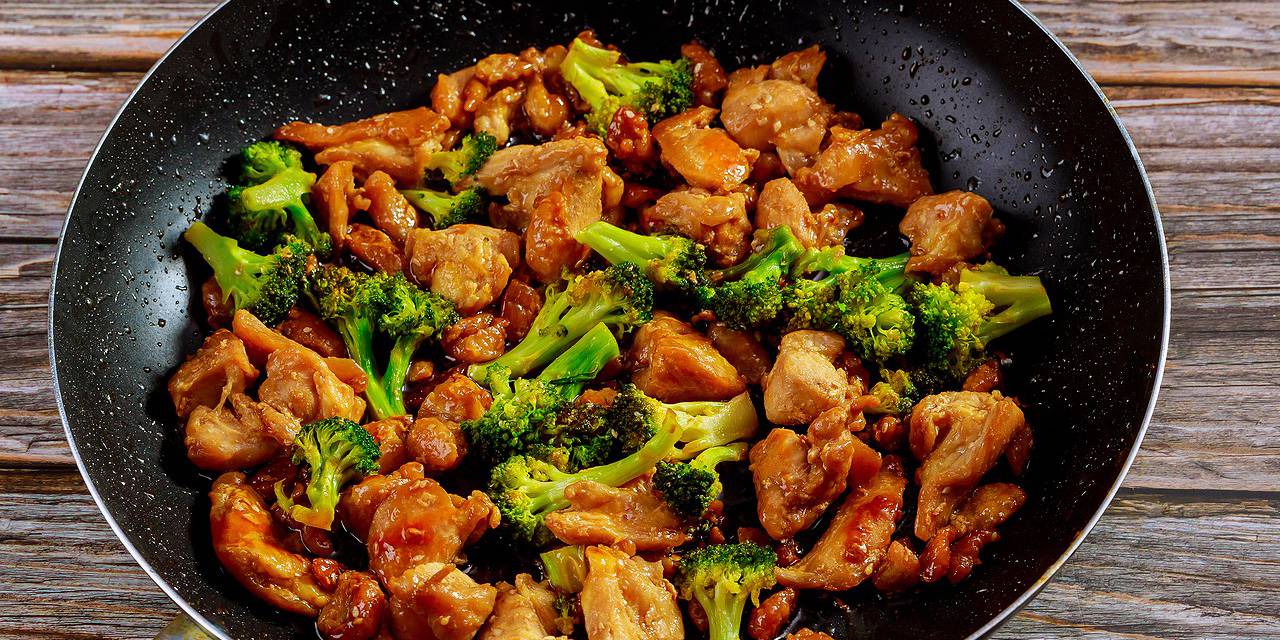
A Low-Carb Diet reduces carbohydrate intake without being as strict as keto.

How It Works: 

  • 50–150 grams of carbs per day

  • Focus on protein and healthy fats

  • Eliminate refined carbs and sugar

Benefits:

  • Reduces insulin spikes

  • Controls hunger

  • Supports steady weight loss

Best For: 

People wanting moderate carb restriction with flexibility.


5) DASH Diet

https://images.openai.com/static-rsc-3/AzNc6q-E-GDJVGJxu25P_lX0dQYuG_B1F7Vk6J0WsANE9QKRrgYyzKs3wF55CgkQS8mQD3pReoRg93mpaHLjWhmNJgQaboEw6j3So_kLVeQ?purpose=fullsize&v=1
The DASH Diet (Dietary Approaches to Stop Hypertension) was created to lower blood pressure but also supports weight loss.
 

>>> Read Role of Dash Diet In Weight Loss 


Key Principles

  • High fruits and vegetables

  • Whole grains

  • Lean proteins

  • Low sodium

  • Limited processed foods

Benefits:

  • Heart-friendly

  • Doctor-recommended

  • Sustainable

Best For:

Adults with high blood pressure who want weight loss.

>>>Access 365 Dash Diet Recipes!


6) Plant-Based Diet

https://www.shape.com/thmb/pjFshgRlqrO5Lg3uopS3bZY43HE%3D/1500x0/filters%3Ano_upscale%28%29%3Amax_bytes%28150000%29%3Astrip_icc%28%29/vegetarian-recipes-weight-loss-4e73a962d5f843e6a515f5a33c02c163.jpg

Plant-based diets focus primarily on whole plant foods.

Variations

  • Vegan

  • Vegetarian

  • Flexitarian

Why It Works

High fiber intake increases fullness while lowering calorie density.

Benefits

  • Supports heart health

  • Improves digestion

  • Encourages natural calorie control

Best For

People seeking both weight loss and overall health improvement.


7) Paleo Diethttps://images.openai.com/static-rsc-3/Gb1XL3ki-VAuD6niq6R4KQltIU3YZbQRrBTKU1VDGe8BJ95JfO1kgn5RfEE5jxcgjuO3lc-FuN5kjnQ312HL0O-7Sz-xGRxOsZELgtt9i5g?purpose=fullsize&v=1

The Paleo Diet mimics foods eaten by early humans.

Includes

  • Lean meats

  • Fish

  • Vegetables

  • Fruits

  • Nuts

Excludes

  • Grains

  • Dairy

  • Processed foods

Why It Works

Removes processed foods and refined sugars, naturally lowering calorie intake.


8) WW (Formerly Weight Watchers)
https://images.ctfassets.net/0k812o62ndtw/2NHRAjxl6pIw5xfAPCK8UL/437da849731a937d2ed494a8ec9719e9/PortionSizes_en0d599d43e23433ab1c2aa653f140a7e5.jpg?fm=webp

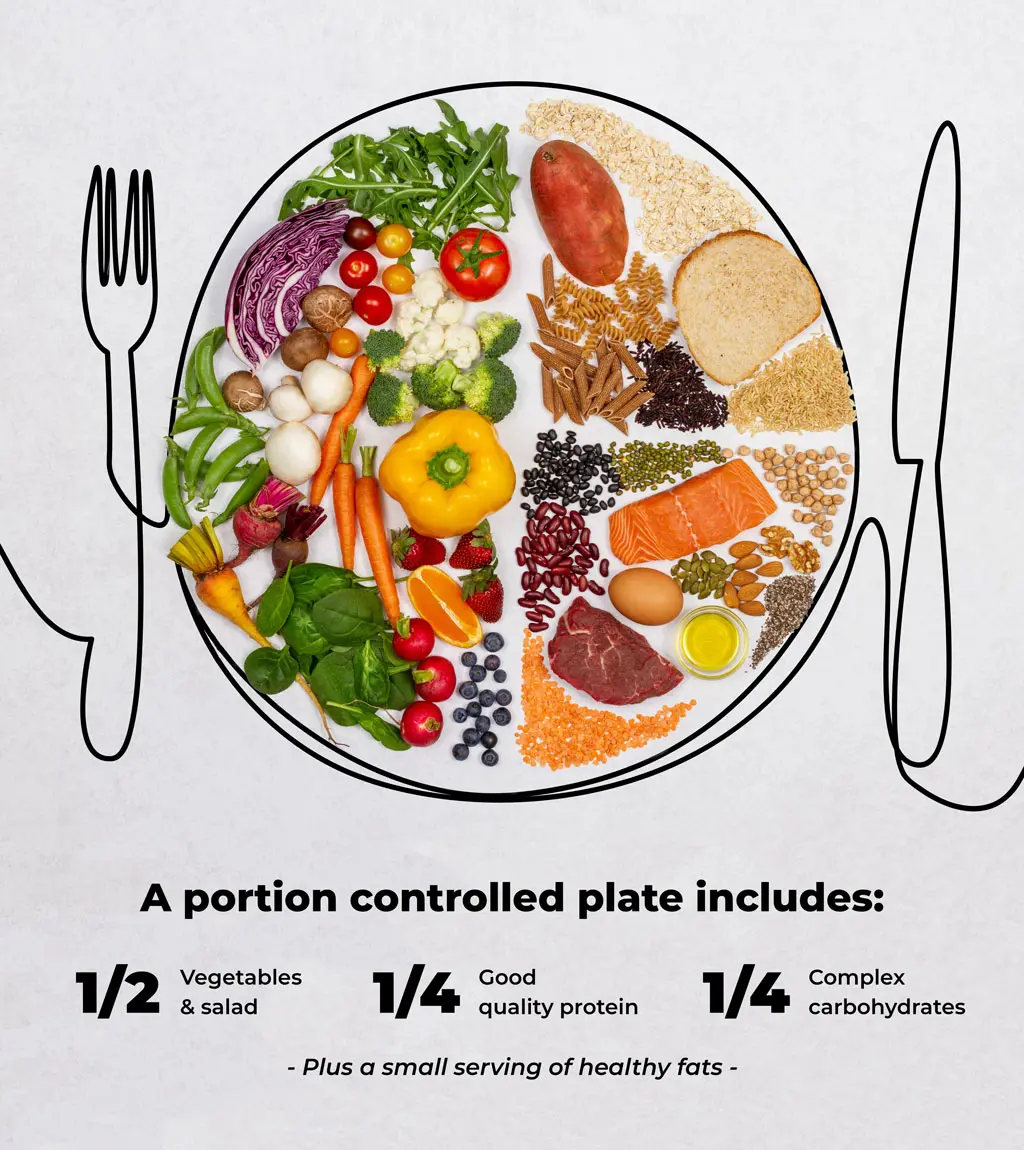
WW uses a point-based tracking system to manage calorie intake.

Benefits

  • Flexibility

  • Community support

  • Accountability

  • Long-term sustainability

Best For

Individuals who need structure and support.


9) Atkins Diet

 
https://images.openai.com/static-rsc-3/3-oePRl2UhlifhyXzzI7mP9HNqxUfJyKI1SqYmwTojlJniqY3st98dNHb57QqSlWLVRIAQiNVFYZBML2LwxdY-9e61gCniOZPqGdnhTesDw?purpose=fullsize&v=1

The Atkins Diet is a structured low-carb program with four phases.

How It Works:

  • Phase 1: Very low carb

  • Gradual carb reintroduction

  • Focus on protein and fat

Benefits:

  • Rapid early weight loss

  • Clear guidelines

  • Structured plan


10) Volumetrics Diet

https://lamclinic.com/images/infographic-food-density-in-volumetrics-diet.jpg

The Volumetrics Diet emphasizes foods high in water and fiber but low in calories.

Focus Foods:

  • Soups

  • Vegetables

  • Fruits

  • Whole grains

Why It Works:

Allows large portions while controlling calorie intake.


How to Choose the Best Diet for You?

When selecting a weight loss diet, consider:

  • Your lifestyle

  • Medical conditions

  • Food preferences

  • Long-term sustainability

  • Budget

The most effective diet is one you can maintain consistently.

Frequently Asked Questions (FAQs)


1. What is the best weight loss diet plan in the United States for 2026?

There is no single “best” weight loss diet plan for everyone. However, the Mediterranean Diet, Intermittent Fasting, and Low-Carb Diet are among the most recommended in 2026 due to their sustainability, health benefits, and proven results. The best plan depends on your lifestyle, medical history, and weight loss goals.


2. Which diet helps you lose weight the fastest?

The Ketogenic (Keto) Diet and Atkins Diet often produce rapid initial weight loss because they significantly reduce carbohydrate intake. This lowers insulin levels and increases fat burning. However, quick weight loss may include water weight, and long-term success depends on consistency.


3. Is intermittent fasting safe for weight loss?

Yes, intermittent fasting is generally safe for healthy adults when done correctly. Popular methods like the 16:8 plan help reduce calorie intake and improve insulin sensitivity. However, people with medical conditions, pregnant women, or individuals with a history of eating disorders should consult a doctor before starting.


4. What diet do doctors recommend for weight loss?

Many doctors recommend the Mediterranean Diet or DASH Diet because they are heart-healthy, balanced, and sustainable. These diets focus on whole foods, lean proteins, fruits, vegetables, and healthy fats while limiting processed foods and sugar.


5. Can I lose weight without cutting carbs completely?

Yes, you can lose weight without eliminating carbs entirely. A moderate Low-Carb Diet (50–150 grams per day) or a balanced calorie-controlled diet can effectively promote fat loss while allowing healthy carbohydrates like fruits and whole grains.


6. How much weight can I lose in one month on a diet plan?

Most experts recommend losing 1–2 pounds per week, which equals 4–8 pounds per month. Faster weight loss may not be sustainable and can lead to muscle loss or nutrient deficiencies.


7. Are plant-based diets effective for weight loss?

Yes, plant-based diets can be very effective for weight loss. They are high in fiber and low in calorie density, which helps control hunger and reduce overall calorie intake. Whole-food plant-based diets are especially beneficial.


8. What is the easiest diet to follow long-term?

The Mediterranean Diet and WW (Weight Watchers) are often considered the easiest to maintain long-term because they are flexible and do not eliminate entire food groups. Sustainability is key for lasting weight loss success.


9. Do I need to exercise while following a diet plan?

While diet plays the biggest role in weight loss, combining it with regular exercise improves fat loss, muscle retention, and metabolic health. A combination of strength training and moderate cardio is recommended.


10. What is the healthiest way to lose weight in 2026?

The healthiest way to lose weight is through a balanced diet, portion control, regular physical activity, proper hydration, adequate sleep, and stress management. Avoid crash diets and focus on long-term lifestyle changes.

Final Thoughts:

America offers many weight loss diet options, but success depends on consistency, portion control, physical activity, and healthy habits. Whether you choose Mediterranean, Keto, Intermittent Fasting, or another approach, the key is building a plan that supports your health long-term—not just quick results.