

In this FemiCore Review, we explore why women’s urinary health is essential for maintaining everyday comfort, confidence, quality sleep, and overall well-being. Issues such as frequent urination, sudden bladder urges, nighttime bathroom visits, and unexpected urine leakage can affect women at different stages of life. However, problems such as frequent urination, sudden bladder urges, nighttime bathroom visits, and accidental urine leakage can affect women at different stages of life.
Pregnancy, childbirth, hormonal changes, menopause, aging, and pelvic floor weakness are among the factors that may influence bladder function. Although these concerns are common, persistent urinary symptoms should not automatically be considered a normal part of getting older.
Maintaining good hydration, following a balanced diet, practicing pelvic floor exercises, and developing healthy bathroom habits can support urinary wellness. Some women also explore nutritional supplements formulated with botanical extracts and probiotics.
FemiCore is a dietary supplement marketed to support women’s urinary wellness, bladder control, and microbiome balance. Its described formulation includes plant-based ingredients, cranberry extract, berberine, and several Lactobacillus probiotic species.
Understanding the Female Urinary System:
The urinary system removes waste products and excess fluids from the body while helping maintain fluid and electrolyte balance. It consists of four primary structures.
1. Kidneys: These organs filter blood, remove waste, and produce urine. They also help regulate blood pressure and maintain the body’s mineral balance.
2. Ureters: These narrow tubes transport urine from the kidneys to the urinary bladder.
3. Urinary Bladder: The bladder stores urine until it is convenient to urinate. Its muscles and nerve signals work together to control urine storage and release.
4. Urethra: This tube carries urine outside the body. Because the female urethra is relatively short, women are generally more susceptible to urinary tract infections.
The pelvic floor muscles and nervous system also play essential roles in maintaining bladder control.
Common Urinary Health Problems in Women:
Understanding urinary symptoms can help women identify when lifestyle adjustments or medical attention may be necessary.
Frequent Urination: This means needing to urinate more often than usual. Possible causes include excessive fluid consumption, caffeine, pregnancy, diabetes, urinary infections, and overactive bladder.
Urinary Incontinence: This refers to involuntary urine leakage. Common forms include stress incontinence, urge incontinence, mixed incontinence, and overflow incontinence.
Overactive Bladder: Women with this condition may experience sudden, difficult-to-control urges to urinate, frequent bathroom visits, and nighttime urination.
Urinary Tract Infections (UTIs): These infections commonly develop when bacteria enter the urinary tract. Symptoms may include burning during urination, urgency, cloudy urine, lower abdominal discomfort, and sometimes blood in the urine.
Nighttime Urination: Also called nocturia, this condition involves waking repeatedly during the night to urinate. It may be associated with evening fluid intake, diabetes, sleep disorders, medications, or bladder problems.
Why Do Women Experience Bladder Control Problems?
Several biological and lifestyle factors can influence bladder function.
- Pregnancy and childbirth: Increased abdominal pressure and changes in pelvic floor muscles can contribute to urinary leakage.
- Menopause: Declining estrogen levels may affect urinary and vaginal tissues, sometimes contributing to irritation and urinary symptoms.
- Aging: Changes in muscle strength, nerve function, and general health may influence bladder control.
- Excess body weight: Additional pressure on the bladder and pelvic floor may increase leakage.
- Constipation: Repeated straining can place additional pressure on pelvic structures.
- Lifestyle habits: Caffeine, smoking-related coughing, and individual dietary triggers may aggravate symptoms.
- Medical conditions: Diabetes, neurological disorders, previous pelvic surgery, and certain medications can affect urinary function.
Identifying the underlying cause is essential because different bladder conditions require different management approaches.
How Can Women Support a Healthy Urinary System?
Several everyday habits may help maintain normal urinary function.
Maintain Appropriate Hydration: Drink sufficient water throughout the day. Fluid requirements vary depending on activity, climate, and medical circumstances. Avoid severely restricting water to reduce bathroom visits.
Identify Bladder Irritants: Coffee, caffeinated tea, alcohol, carbonated beverages, spicy foods, acidic drinks, and certain artificial sweeteners may trigger symptoms in some women. A bladder diary can help identify personal sensitivities.
Eat a Balanced Diet: Include vegetables, fruits, whole grains, beans, lentils, nuts, seeds, healthy fats, and suitable protein sources. Fiber-rich foods can also help prevent constipation.
Maintain a Healthy Weight: Gradual weight management may reduce pressure on the bladder and pelvic floor and improve certain types of urinary leakage.
Practice Healthy Bathroom Habits: Avoid regularly holding urine for excessively long periods. Allow enough time to empty the bladder comfortably.
Practice Pelvic Floor Exercises: Strengthening and coordinating pelvic floor muscles may help improve certain forms of urinary incontinence.
How Do Kegel Exercises Work?
Kegel exercises involve contracting and relaxing the pelvic floor muscles that support the bladder and other pelvic organs.

A basic routine includes:
- Sit or lie comfortably and relax your body.
- Gently tighten the muscles used to prevent passing gas.
- Imagine lifting these muscles inward and upward.
- Hold the contraction for approximately three seconds if comfortable.
- Relax completely for an equal amount of time.
- Repeat gradually, increasing the number of contractions as appropriate.
Consistent pelvic floor training may improve stress urinary incontinence over several weeks or months. However, women with painful or overly tight pelvic floor muscles may need relaxation exercises or professional physiotherapy instead.
What Is FemiCore?
FemiCore is a dietary supplement marketed for women’s bladder control support, urinary wellness, and microbiome balance.
According to its described formulation, it combines botanical ingredients, cranberry extract, granular berberine, and several Lactobacillus probiotic species.
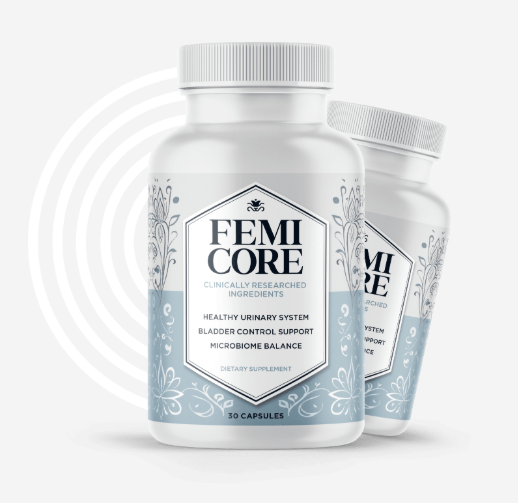
The formulation focuses on two broad areas: botanical ingredients traditionally associated with wellness and probiotics intended to support beneficial microbial communities.
However, marketing intentions should not be confused with proven clinical results. The available product information does not establish that the complete FemiCore formula has been clinically demonstrated to treat urinary incontinence, overactive bladder, or active urinary tract infections.
FemiCore Ingredients: What Should Women Know?
Understanding the ingredients can help consumers evaluate the formulation more carefully.

 Mimosa Pudica: This traditional medicinal plant has attracted research interest because of its various biological properties. However, strong human evidence supporting its effectiveness for bladder leakage or urinary control remains limited.
Bearberry: Also known as Arctostaphylos uva-ursi, bearberry contains arbutin-related compounds and has traditionally been associated with urinary preparations. Its safety depends on the preparation, quantity, and duration of use. Prolonged use without professional guidance may be inappropriate.
Cranberry Extract: Cranberry is commonly included in urinary wellness supplements. Some evidence suggests that particular cranberry products may reduce recurrent UTIs in certain populations. However, cranberry does not treat an active infection or establish improved bladder control.
Granular Berberine: Berberine is a plant-derived compound studied for metabolic and other biological effects. It is not an established treatment for urinary incontinence. It may cause digestive side effects and interact with medications.
Lactobacillus Crispatus: This probiotic species has been studied for its role in maintaining a healthy vaginal microbial environment. However, benefits depend on the particular strain and formulation.
Lactobacillus Acidophilus: Commonly used in probiotic supplements, this species has been investigated for digestive health and microbial balance. It is not independently established as a treatment for bladder leakage.
Lactobacillus Plantarum: This microorganism is used in probiotic preparations and fermented foods. Research has explored certain strains for digestive and microbiome-related benefits.
Lactobacillus Gasseri: This species has attracted research interest regarding microbial balance and general health. Its presence does not establish an ability to treat urinary incontinence.
Lactobacillus Casei: Used in various probiotic products, this species has been investigated for possible digestive and microbiome benefits. Its effectiveness depends on the strain and formulation.
What Are the Potential Benefits of FemiCore?
FemiCore is marketed around several aspects of women’s urinary wellness.
Urinary Wellness Support: Its formulation is intended to support a healthy urinary system. However, there is insufficient product-specific evidence to establish that it restores bladder control or improves kidney function.
Microbiome Balance: Its Lactobacillus ingredients are intended to support beneficial microorganisms. Nevertheless, probiotic effects are strain-specific and cannot be assumed from species names alone.
Botanical Ingredient Combination: The formula combines several plant-derived ingredients with different traditional uses and research backgrounds. Their combination does not automatically establish greater effectiveness.
Convenient Supplementation: A combined supplement may offer a convenient way to consume several ingredients. Nevertheless, convenience does not replace proper evaluation of ingredient quantities, quality, and safety.
Can FemiCore Help With Bladder Leakage?
Bladder leakage may result from pelvic floor weakness, overactive bladder, childbirth-related changes, or problems affecting urinary muscles and nerves.
Treatment depends on the underlying condition. Pelvic floor training may help some women with stress incontinence, while bladder training may benefit selected women experiencing urgency and frequent urination.
FemiCore is marketed for bladder control support, but the available information does not establish that its complete formulation treats stress, urge, or mixed urinary incontinence.
Women experiencing persistent leakage should seek professional assessment rather than relying exclusively on supplements.
Is FemiCore Safe to Use?
The safety of FemiCore cannot be confirmed for every individual from its product description alone. Important considerations include ingredient quantities, manufacturing standards, personal medical history, and medication interactions.
Before considering this supplement:
- Review the complete ingredient list, serving instructions, and warnings.
- Check berberine-related medication interactions.
- Consider the safety precautions associated with bearberry.
- Verify probiotic strain identification and colony-forming units (CFU).
- Check manufacturing quality and independent testing information.
- Consult a healthcare professional if pregnant, breastfeeding, taking medication, or managing kidney or liver conditions.
Do not exceed the verified product-label instructions. A supplement should never replace prescribed treatment.
How to Evaluate FemiCore Before Purchasing?
Consumers should examine several details before making a purchase.
- Ingredient Quantities: Check the amount of every ingredient rather than relying on ingredient names alone.
- Clinical Evidence: Determine whether studies have tested the finished product or only individual ingredients.
- Probiotic Information: Look for exact strain identifiers and viable bacterial counts.
- Product Quality: Verify manufacturer details, quality-control practices, and authenticity.
- Safety Information: Review possible side effects, contraindications, and medication interactions.
- Purchasing Terms: Check the current price, shipping expenses, seller’s refund policy, and any recurring-payment conditions.
These steps help distinguish promotional statements from scientifically supported information.
When Should Women Seek Medical Attention?
Persistent urinary symptoms deserve professional evaluation. Seek medical advice for repeated leakage, frequent urination, recurring UTIs, difficulty starting urination, incomplete bladder emptying, or nighttime symptoms affecting sleep.
 Blood in the urine requires prompt medical assessment, even if it occurs only once.
Fever, chills, back or side pain, vomiting, or significant illness alongside urinary symptoms may indicate a serious infection requiring urgent care. Inability to urinate, particularly with painful lower abdominal swelling, requires emergency assessment.
A healthcare professional may recommend urine testing, physical examination, bladder tracking, or additional investigations to identify the cause.
Conclusion-
Maintaining urinary health is important for women’s comfort, independence, and quality of life. Understanding common bladder problems and adopting healthy habits can help women make informed decisions about their well-being.
FemiCore is marketed as a supplement combining botanical extracts, cranberry, berberine, and Lactobacillus probiotics to support urinary wellness and microbiome balance.
Although certain ingredients have been investigated for specific health applications, evidence supporting the complete formulation for bladder leakage, overactive bladder, or UTI prevention has not been established by the supplied product information.
Women considering FemiCore should examine its complete formulation, ingredient quantities, safety information, manufacturing quality, and available clinical evidence. Consulting a qualified healthcare professional is particularly important when urinary symptoms persist or existing medical conditions are present.
Frequently Asked Questions (FAQs)
1. What is the best way to support a healthy urinary system?
Adequate hydration, balanced nutrition, regular exercise, constipation prevention, and identifying personal bladder irritants can support urinary wellness.
2. What is FemiCore used for?
FemiCore is marketed as a dietary supplement intended to support women’s bladder control, urinary wellness, and microbiome balance. Its effectiveness for treating specific urinary disorders has not been established.
3. Can FemiCore prevent urinary tract infections?
There is insufficient product-specific evidence to establish that FemiCore prevents UTIs. Certain cranberry products may help reduce recurrent infections in some populations, but active infections require appropriate medical treatment.
4. Can probiotics improve bladder control?
Some probiotic strains have been studied for genitourinary health. However, evidence does not establish that all probiotic supplements improve bladder control or prevent urine leakage.
5. Can women improve bladder control naturally?
Some women may benefit from Kegel exercises, bladder training, appropriate hydration, healthy weight management, and constipation prevention.
6. Is urine leakage a normal part of aging?
No. Although incontinence becomes more common with age, it is not inevitable. Medical evaluation can identify potential causes and treatment options.
7. Can women take FemiCore without consulting a healthcare professional?
Women taking prescription medication, pregnant or breastfeeding, or managing kidney or liver conditions should consult a healthcare professional before considering FemiCore. Persistent urinary symptoms also require proper evaluation.


Nilesh Vijay is the founder and lead health writer at Health Tips USA. He is passionate about helping people understand health, nutrition, weight management, fitness, and healthy living through easy-to-read, research-based articles.